


Why Biodegradable Takeaway Paper Bowls Are Becoming the Default
The shift toward biodegradable takeaway paper bowls isn't just about optics. Across most major markets, regulatory pressure on single-use plastics is tightening — the EU Single-Use Plastics Directive, UK packaging taxes, and various state and municipal bans in the US and Australia have already pushed food service operators to rethink their packaging stack. Paper-based alternatives have moved from a niche choice to the practical default in many segments.
Consumer expectations are reinforcing this shift. A growing share of customers actively factor packaging sustainability into purchasing decisions, particularly in urban markets and fast-casual dining. Operators who make the switch report it as both a compliance necessity and a brand asset — the packaging signals values before the food even arrives. For takeaway and delivery-heavy businesses especially, the bowl is often the first physical thing the customer touches. What it's made of communicates something.
At the same time, not all products marketed as "biodegradable" or "eco-friendly" deliver on that claim in any meaningful way. Understanding what the materials actually are, how they're certified, and how they perform under real food service conditions is essential before committing to a supplier or switching your packaging line.
What Biodegradable Takeaway Paper Bowls Are Actually Made Of
The term "biodegradable paper bowl" covers a range of material configurations, and the differences between them matter significantly for performance, end-of-life behavior, and regulatory compliance. Most bowls on the market use one of the following constructions:
PLA-Coated Paperboard
PLA (polylactic acid) is a bioplastic derived from renewable sources like corn starch or sugarcane. PLA-coated paperboard is the most common construction for compostable paper bowls — the paper provides structural rigidity, and the PLA coating provides the moisture and grease barrier needed for food contact. PLA is certified compostable under industrial conditions (EN 13432, ASTM D6400), meaning it breaks down in commercial composting facilities at sustained high temperatures. It does not compost reliably in home compost bins or in landfill, which is an important nuance often lost in marketing materials.
Aqueous or Water-Based Coatings
Water-based barrier coatings are an alternative to PLA that provide reasonable moisture resistance without adding a distinct polymer layer. These coatings integrate more thoroughly with the fiber, making the finished bowl easier to recycle in paper streams and more compatible with home composting. Performance limitations exist — water-based coatings generally offer lower grease resistance than PLA and may not hold up as well under hot, wet food over extended periods. They're well-suited to dry or lightly sauced foods and cold applications.
Bagasse (Sugarcane Fiber)
Bagasse bowls are molded from the fibrous residue left after sugarcane juice extraction — a byproduct that would otherwise be discarded. Bagasse is naturally moisture-resistant, microwave-safe, and home compostable, making it one of the more genuinely sustainable options in the eco-friendly takeaway bowl category. It's heavier and slightly more rigid than paperboard, which some operators prefer for stability. The off-white or natural tan color is distinctive and reads as premium in certain market contexts; it's harder to customize with printing than coated paperboard.
FSC-Certified Virgin or Recycled Paperboard
The paperboard substrate itself matters beyond the coating. FSC (Forest Stewardship Council) certification confirms the virgin fiber comes from responsibly managed forests. Recycled content paperboard reduces demand on virgin fiber entirely. For operators making environmental claims about their packaging, the substrate certification is part of the evidence — a biodegradable coating on uncertified virgin paperboard tells an incomplete story.
Certifications That Actually Mean Something
The sustainable packaging space has a genuine greenwashing problem. Products are routinely marketed as "eco-friendly," "natural," or "green" without any third-party verification of those claims. For biodegradable food bowls used in commercial food service, the following certifications are the ones worth requiring from suppliers:
| Certification | What It Confirms | Relevant Markets |
| EN 13432 | Industrial compostability standard | EU, UK, Australia |
| ASTM D6400 | Industrial compostability standard | USA, Canada |
| OK Compost HOME | Home compostability verified | Global, especially EU |
| BPI Certified Compostable | ASTM D6400/D6868 verified | USA |
| FSC | Responsible forest sourcing for paperboard | Global |
| FDA / LFGB food contact | Safe for direct food contact | USA / EU |
| PFAS-free declaration | No per- and polyfluoroalkyl substances in coating | Global, tightening everywhere |
The PFAS-free declaration deserves specific attention. PFAS chemicals were historically used in food packaging coatings for grease resistance and are now the subject of active regulatory bans across the EU, US, and elsewhere due to health and environmental persistence concerns. Any supplier who cannot confirm their sustainable paper bowls for takeaway are PFAS-free should be disqualified regardless of other credentials.
Performance in Real Food Service Conditions
A bowl that looks good on a spec sheet needs to hold up in the actual conditions of your operation. Biodegradable takeaway paper bowls face a different set of performance demands depending on the food type, service model, and delivery window involved. Here's how the common constructions compare across practical use cases:
- Hot soups and broths: PLA-coated bowls handle hot liquids well up to approximately 85–90°C. Above this, PLA begins to soften and lose structural integrity. For operations serving very hot soups or ramen, double-walled construction or bagasse bowls offer better heat resistance. Always test with your actual product at service temperature before bulk ordering.
- Greasy or oily foods: Grease resistance varies significantly by coating type. PLA coatings provide adequate grease resistance for most applications. Water-based coatings are more variable and should be tested specifically with high-fat content foods like fried items, curries, or heavily dressed salads.
- Cold and frozen applications: Most biodegradable paper bowls perform well in cold and refrigerated conditions. PLA coatings remain stable at low temperatures. Bagasse bowls are freezer-compatible. Recycled fiber bowls should be tested for moisture absorption if used in wet cold storage environments.
- Delivery and extended hold time: For delivery operations where food sits in the bowl for 20–45 minutes before consumption, the coating needs to resist sustained moisture exposure. This is where cheaper or thinner coatings tend to fail — the paperboard softens, the bowl loses rigidity, and the customer experience degrades. Request soak test data from suppliers for your specific food type and hold time.
- Microwave use: Bagasse bowls are generally microwave-safe. PLA-coated bowls are typically not recommended for microwave reheating because PLA begins to deform at elevated temperatures. If your customers are likely to microwave the container, confirm microwave compatibility explicitly with your supplier.
Sizes, Formats, and Customization Options
Compostable paper bowls are available in a wide range of formats to match different service models and portion sizes. Standard capacity ranges run from 8 oz (suitable for side dishes, soups, or small portions) up to 64 oz for large meal bowls, grain bowls, or family-sized servings. The most common sizes in food service are 12 oz, 16 oz, 24 oz, and 32 oz — covering the majority of bowl meal, salad, and soup applications.
Lid compatibility is a practical consideration that's easy to overlook in the sourcing process. A bowl without a compatible lid is functionally limited for delivery. Most manufacturers offer matching flat or dome lids in PLA or paperboard — confirm lid fit and seal quality before finalizing a bowl specification, especially if delivery represents a significant portion of your volume.
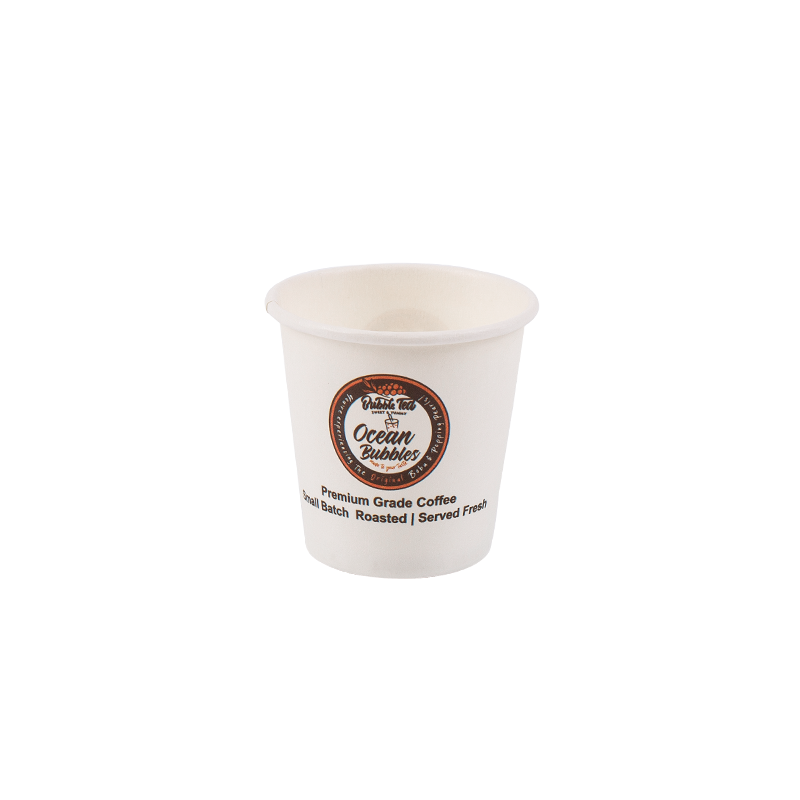
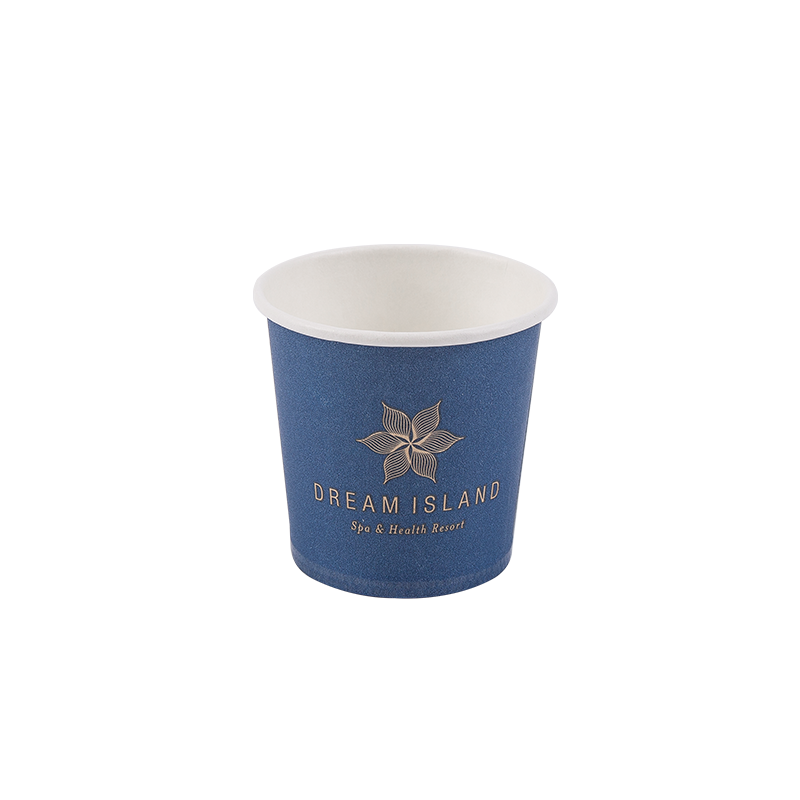
Custom printing on biodegradable food bowls is widely available at scale. Most manufacturers offer flexographic printing for high-volume runs with consistent branding, and digital printing for shorter runs or variable artwork. For operators who want their sustainable packaging to actively communicate their environmental credentials, printing key certification logos (compostable, FSC) alongside brand identity reinforces the message at the point of consumption. Minimum order quantities for custom-printed bowls typically start at 10,000–25,000 units depending on the supplier and format.
The Composting Reality Gap
One of the most important — and least discussed — aspects of biodegradable takeaway packaging is the gap between what certifications promise and what infrastructure actually exists to fulfill that promise. Industrial compostability certifications (EN 13432, ASTM D6400) confirm that a product will break down in a commercial composting facility. But whether your customers have access to a commercial composting collection service is a completely separate question.
In most markets, commercial composting infrastructure is patchy at best. PLA-coated bowls that end up in general waste go to landfill, where the anaerobic conditions mean they break down very slowly — in practice, not very differently from conventional plastic-coated alternatives. This doesn't negate the value of using certified compostable packaging, but it does mean that the end-of-life benefit is conditional on your local waste management infrastructure.
Operators who want to close this loop have a few options: partner with a commercial composting collection service for in-store waste, actively communicate disposal instructions to customers, or prioritize bowl constructions (like water-based coated paperboard or bagasse) that are compatible with a wider range of disposal pathways including home composting and paper recycling.
How to Evaluate and Compare Suppliers
The market for eco-friendly takeaway bowls is crowded and inconsistent. A structured evaluation process protects against greenwashing, quality surprises, and supply chain disruptions.
Request Documentation, Not Just Claims
Any supplier should be able to provide actual certification documents — not just logos on a website. Ask for the EN 13432 or ASTM D6400 certificate, the issuing body, and the expiry date. For food contact compliance, request the test report, not just a declaration. For PFAS-free status, ask for third-party test results, not just a supplier statement. Legitimate manufacturers maintain this documentation as standard and share it without friction.
Test Before You Commit to Volume
Always run samples through your actual operational conditions before placing a bulk order. Fill the bowl with your hottest item and hold it for your typical delivery time. Test with your greasiest product. Check lid fit and seal under realistic transport conditions. This step costs very little and eliminates a category of problems that are expensive to discover after you've ordered 50,000 units.
Assess Supply Consistency
Packaging quality needs to be consistent across production batches, not just on the sample you approved. Ask suppliers about their quality control process, batch testing protocols, and what happens if a delivery doesn't meet spec. For operators sourcing from overseas manufacturers, build lead time buffer into your inventory planning — 8 to 12 weeks for ocean freight plus production time is standard, and sustainable paper bowls for takeaway are subject to the same raw material supply pressures as any paper-based product.
Factor in Total Cost, Not Just Unit Price
Biodegradable takeaway paper bowls typically cost more per unit than conventional plastic-lined alternatives. The cost gap has narrowed significantly as volume has increased across the industry, but it remains real. Factor in not just unit price but also: minimum order quantities and the working capital tied up in inventory, any cost savings from reduced regulatory risk or packaging taxes, and the brand value of being able to make credible sustainability claims. For many operators, the total value equation tips clearly in favor of the switch even before regulatory requirements make it mandatory.